Revamp Your Outdoors: Skilled Landscape Design Services Adapted for Your Home
Updating exterior spaces can considerably enhance a home's visual appeal and functionality. Professional landscaping services provide tailored plans that factor in local conditions and personal preferences. With qualified experts leading the project, homeowners can look forward to a seamless integration of plants, hardscapes, and lighting. Nonetheless, understanding how to collaborate effectively and set a clear vision remains important. Examining these aspects can create a impactful outdoor setting that fulfills both needs and aspirations.
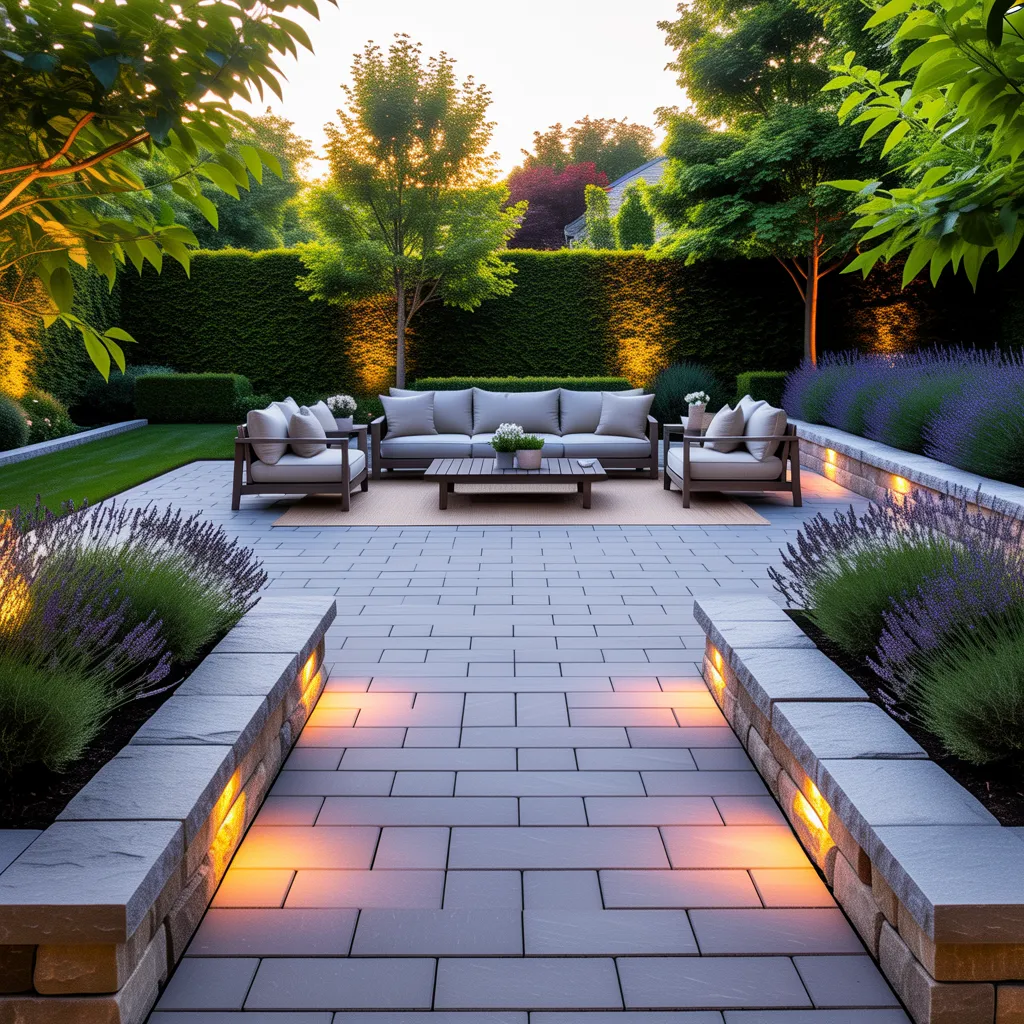
Why Choose Professional Landscape Design Offerings?
When reviewing a renovation of yard areas, many property occupants acknowledge the benefit of expert design consultation. These experts contribute a wealth of knowledge and creativity, ensuring that the design harmonizes with the occupant's inclinations while boosting functionality and visual elegance. Professionals know the details of local weather conditions, substrate varieties, and species selection, facilitating them to form green spaces that thrive.
Moreover, outdoor design professionals can effectively integrate multiple components, such as hardscapes, lighting, and irrigation systems, into a cohesive plan. This comprehensive strategy not only improves aesthetic quality but also boosts real estate worth. Additionally, engaging experts can reduce duration and minimize expensive errors. Their expertise in navigating zoning regulations and obtaining permits adds another layer of convenience for homeowners. Ultimately, choosing professional landscape design services can transform outdoor areas into attractive, practical environments that reflect individual styles and enhance overall quality of life.
How to Develop Your Outdoor Objectives?
In what ways can homeowners solidify their landscape direction? To start, they should reflect on their lifestyle and how they want to use the exterior area. Recognizing unique requirements—whether for entertaining, gardening, or leisure—can inform the creative journey. Afterward, property owners should look into various styles, such as modern, rustic, or tropical, to figure out what suits their style inclinations.
Putting together a concept board or amassing images from magazines and digital platforms can generate visual guidance and aid in outlining ideas. Additionally, analyzing the established landscape elements, such as timber and grades, allows for a more balanced design.
Crafting a budget is critical, as it shapes selection of materials and project scale. Finally, residents should consider maintenance needs, ensuring the vision is sustainable for their personal lifestyle. By following these steps, clarity emerges, creating the opportunity for a precisely defined outdoor plan that resonates with their aspirations.
Collaborating Productively With Your Landscape Designer
Effective cooperation with a landscape designer begins with a explicit communication of one's aspirations. It is essential to relay budget constraints openly to confirm realistic planning. Trusting the designer's expertise can lead groundbreaking options that align with the client's wants while enhancing the overall landscape.
Set Your Vision Plainly
What determines a successful collaboration with a landscape designer? Vision clarity in vision is essential. Homeowners must articulate their preferences, lifestyle needs, and preferred visual style to guarantee the designer understands their needs. Providing visual materials, such as photos or sketches, can greatly improve comprehension. Additionally, discussing specific elements like color schemes, materials, and plant types helps in refining the idea. Strong interchange is essential; homeowners should feel at ease conveying their ideas and concerns throughout the process. This open dialogue builds a strong alliance, enabling the designer to develop personalized approaches. In the end, a well-defined direction acts as a foundational guide, boosting the chance of achieving a harmonious outdoor space that aligns with the homeowner's goals.
Share Your Financial Constraints
A clear vision lays the foundation for successful landscape design, but understanding cost boundaries is equally vital. When collaborating with a landscape designer, communicating budget restrictions fosters openness and trust. Clients should provide a practical budget upfront, which allows designers to offer solutions that align with their budgetary aims. This honest discussion enables the designer to focus on elements, ensuring that key components are included without overspending. Additionally, discussing budget constraints can lead to innovative options, such as selecting more economical materials or rescheduling project timelines. Ultimately, a well-defined budget empowers both parties to work together efficiently, resulting in a landscape that not only satisfies aesthetic desires but explore the facts also remains financially achievable.
Have Faith in Their Proficiency Entirely
Relying on a landscape designer's skill is important for accomplishing a thriving outdoor initiative. Their broad expertise in plants, materials, and design principles enables them to build cohesive and functional areas. Clients must engage in the collaboration with a flexible viewpoint, appreciating the designer's advice while simultaneously articulating their preferences. Effective communication is critical; exchanging perspectives and commentary creates a rewarding relationship. Designers typically possess access to materials and alternatives that property owners could miss, improving the overall design. By respecting the designer's expert knowledge, clients can ensure that their distinct needs are satisfied while receiving cutting-edge design solutions. Ultimately, this confidence generates an outdoor environment that represents both individual character and expert counsel.
Selecting the Perfect Landscape Design Style for Your Home
How can dwellers determine the perfect landscape design strategy that aligns with their property? First, they need to assess the architectural style of their home. A modern house often blends with minimalist landscaping, while a traditional home may take advantage of classic garden elements. Next, homeowners should consider their personal preferences and lifestyle. For instance, those who enjoy entertaining might select open spaces with seating areas, while nature enthusiasts may lean towards native plants and wildlife-friendly designs.
Moreover, local climate and soil conditions are critical elements in determining appropriate vegetation and supplies. Homeowners may also consider different design approaches, such as Mediterranean, Japanese Zen, or cottage gardens, to find inspiration. Ultimately, consulting with a landscaping specialist can provide valuable insights suited to the specific property, ensuring that the chosen style harmonizes with both the natural surroundings and the homeowner's vision.
How Can You Manage costs for Your Landscape Transformation?
Budgeting for a landscape makeover starts with establishing focus areas, as this supports homeowners in prioritizing what features are essential. Then, determining project expenses is critical for constructing a realistic spending strategy. By tackling these key aspects, individuals can guarantee a accomplished and pleasing enhancement of their outdoor space.
Identify Your Main Objectives
When beginning on a landscape makeover, understanding one's goals is essential for effective budgeting. Homeowners should first identify their primary goals, whether it's creating an outdoor entertainment space, improving curb appeal, or increasing privacy. This understanding helps in allocating resources efficiently. Assessing the current landscape and determining which elements need immediate attention can also simplify the process. Additionally, it is crucial to take into account long-term maintenance and sustainability; putting money in durable materials may lower future costs. Establishing a practical budget that reflects these priorities guarantees that the project fits with both visual preferences and budget limitations. By prioritizing needs, homeowners can accomplish a unified and pleasing landscape transformation without exceeding budget.
Determine Material Prices
Estimating material costs is an essential step in planning a effective landscape renovation. Homeowners should start by compiling all wanted elements, such as plants, hardscapes, and lighting. Investigating local suppliers can offer insights into pricing and availability. It's vital to account for additional costs, including soil, mulch, and tools, which can significantly impact the overall budget. Furthermore, adding a contingency fund of 10-20% allows for unexpected costs that may arise during the project. By carefully calculating these expenses, homeowners can guarantee they remain within their financial limits while achieving their desired outdoor space. Speaking to landscape professionals can also provide expert advice in making well-considered material choices that align with budget constraints.
Critical Service Advice for Your New Landscape Design
Proper care is important for any new landscape design to thrive and keep its beauty. Regular water application is essential, especially during the initial growing stage; establishing root systems requires consistent moisture. Mulching around plants helps lock in soil moisture, suppress weeds, and stabilize temperature.
Seasonal pruning should be performed to promote strong development and take out any decayed or diseased branches. Nutrient application, customized for the individual necessities of plants, enhances nutrient uptake and encourages vibrant blooms.
Unwanted plant management is necessary; frequent inspection and removal prevent plants competing for nutrients. Additionally, observing for infestations secures quick intervention, safeguarding plant health.
Seasonal clean-ups, such as removing leaves and debris clearing, maintain visual appeal and prevent mold growth. Finally, soil health should be evaluated periodically, with modifications made as necessary to ensure ideal cultivation environment. By adhering to these upkeep guidelines, homeowners can preserve the integrity and charm of their outdoor landscaping.

Popular Inquiries Posed Often
Which Resources Are Most Appropriate for Environmental Landscaping?
Recycled materials, native plants, permeable pavers, and organic mulches are perfect for eco-conscious landscaping. These options improve ecological health, decrease water usage, and reduce waste, establishing eco-friendly spaces that flourish with minimal maintenance.
What is the Timeframe of a Common Landscape Project?
A regular landscape project might take anywhere from a few days to several weeks, based on the project's complexity, size, and the specific features being incorporated, such as plants, hardscapes, or irrigation systems.
Does Landscape Design Enhance My Real Estate Value?
Yes, professional landscaping can considerably enhance property value. Well-planned outdoor spaces boost property aesthetics, improve performance, and attract potential buyers, ultimately contributing to higher market prices and a better return on investment for homeowners.
Which Are the Most In-Demand Plants for Local Climates?
The most beloved species for local regions typically include native types, water-conserving options, and perennials. These selections increase biodiversity, require less maintenance, and excel in their respective environments, rendering them ideal for environmentally responsible landscape design.
How Can I Prepare My Outdoor Space Before the Landscaping Commences?
To prepare the yard before landscape work, one should clear debris, evaluate soil composition, remove weeds, and mark desired features. Maintaining adequate drainage and calculating areas for plants and hardscapes will support a easier installation.